If you’re planning a kitchen renovation in Los Angeles, the first question that comes up is how much it’s going to cost. That’s completely reasonable. It’s likely one of the biggest investments you’ll make in your home.
Here’s the honest answer: the cost to remodel a kitchen in Los Angeles depends on several factors that are specific to your home, your goals, and the scope of work involved. There’s no single number that applies to every project. What we can do is walk you through what actually drives costs here in LA, what to expect at each level of renovation, and how to plan in a way that doesn’t leave you with surprises mid-project.
Why Kitchen Remodel Costs in LA Run Higher Than Other Cities
This comes up with nearly every homeowner we talk to. They’ll see a national average figure online and wonder why their bids are coming in higher. There are real reasons for this.
Labor costs in Los Angeles are significantly above the national average. Skilled tradespeople — carpenters, plumbers, electricians, tile setters — earn more here than in most other U.S. cities. That’s not a contractor markup; it reflects the actual market rate for qualified workers. And labor typically accounts for the majority of a remodel budget.
Permitting adds both cost and time. The Los Angeles Department of Building and Safety (LADBS) requires permits for most structural, plumbing, electrical, and gas work. Those fees add up, and the approval process takes weeks. Any contractor who tells you permits aren’t necessary for significant kitchen work should raise a flag.
California building codes go beyond basic requirements. Title 24 energy compliance applies to kitchen renovations in LA. That means specific appliance efficiency standards, ventilation requirements, and lighting regulations that affect what you can install and how it must be done. It adds to upfront costs — but also reduces energy bills long-term and protects you during resale.
Post-wildfire demand has tightened both contractor availability and material supply across LA County. That’s a current market reality affecting timelines and pricing in 2025 and into 2026.
What Actually Drives the Cost to Remodel a Kitchen in Los Angeles?
Understanding where the money goes helps you make smarter decisions about where to invest and where to pull back.
Cabinets
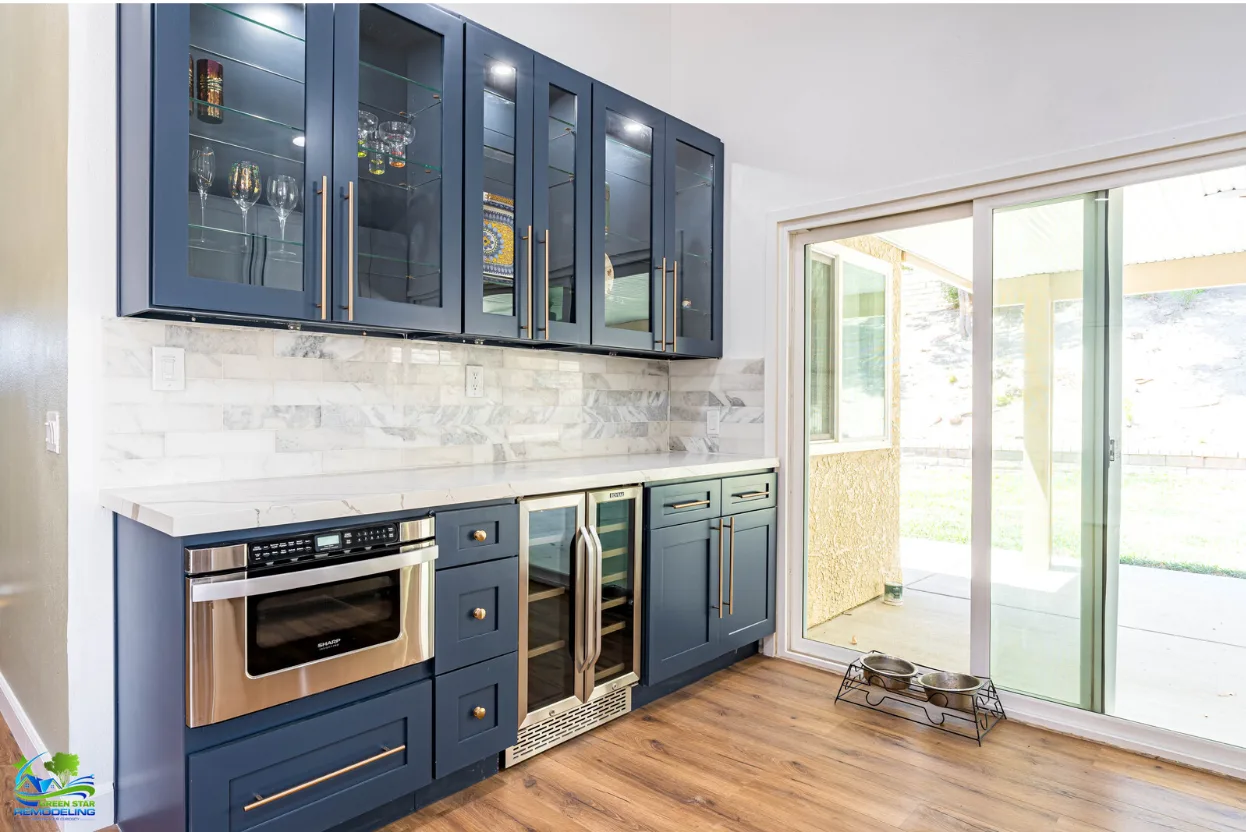
Cabinetry is almost always the largest line item in a kitchen remodel. The cost range between stock, semi-custom, and fully custom cabinets is wide — and the visual difference between semi-custom and full custom is often smaller than homeowners expect. For most LA kitchens, semi-custom is the sweet spot: you get quality, flexibility in sizing, and a finish that holds up over time without the lead time and premium that full custom demands.
Countertops
Quartz and granite remain the standard in LA kitchens, and for good reason — they’re durable, widely available, and photograph well for resale. Natural stone slabs (marble, quartzite, Calacatta) push costs higher, especially when you factor in specialty edges, waterfall treatments, or book-matching. This is an area where the choices escalate quickly, so it’s worth deciding early what finish level you’re targeting.
Appliances
Appliance costs vary more than almost any other category. A functional mid-range package looks completely different from a professional-grade suite. Where you land depends on how you use your kitchen. If you cook daily, investing in the range and ventilation often makes more sense than spending on decorative elements. If you entertain frequently, the refrigerator and dishwasher earn their keep. The point is: appliance budgets should reflect your actual lifestyle, not just aesthetics.
Layout Changes
Keeping your existing layout is the single most effective way to manage cost. The moment plumbing moves — even a few feet — walls open, permits get pulled, and the project complexity rises sharply. The same is true for moving gas lines or relocating electrical panels. Most LA kitchens can be completely transformed in look and function without touching the core plumbing triangle.
That said, some layouts genuinely don’t work. If you’re living with a kitchen that’s awkward to cook in or poorly connected to your living space, a layout change may be worth it — especially if you’re doing a full home remodeling project where trades are already on site and costs can be shared across the scope.
Structural Work
Opening walls, removing load-bearing elements, adding windows, or modifying ceiling heights all require structural engineering and additional permitting. These changes are more common in older LA homes — Craftsmans, mid-century ranches, 1960s tract homes — where the original floor plans weren’t designed with open-concept living in mind. If structural work is part of your plan, factor in both the engineering costs and the additional inspection timeline.
Hidden Conditions in Older Homes
This is where contingency planning matters most. Pre-1980 homes across Los Angeles often have galvanized plumbing, outdated wiring, or materials that require special handling once walls are opened. None of this is visible from the surface. A 15% contingency budget isn’t pessimistic — it’s realistic for the LA housing stock.
What Are the Different Levels of Kitchen Renovation in LA?
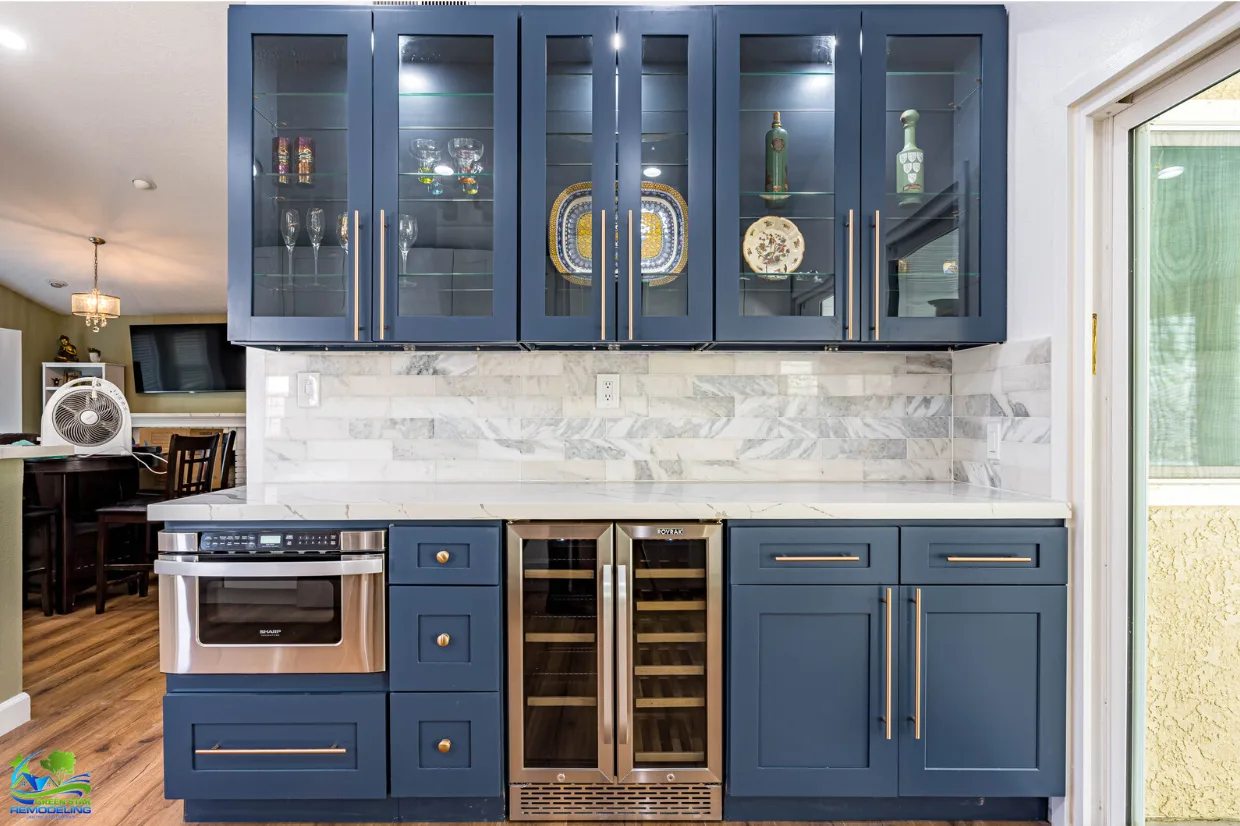
The average cost of kitchen remodeling in Los Angeles varies considerably depending on which tier of renovation you’re pursuing. While we’re not quoting specific figures here — because those depend entirely on your home — it helps to understand how contractors and designers generally categorize projects.
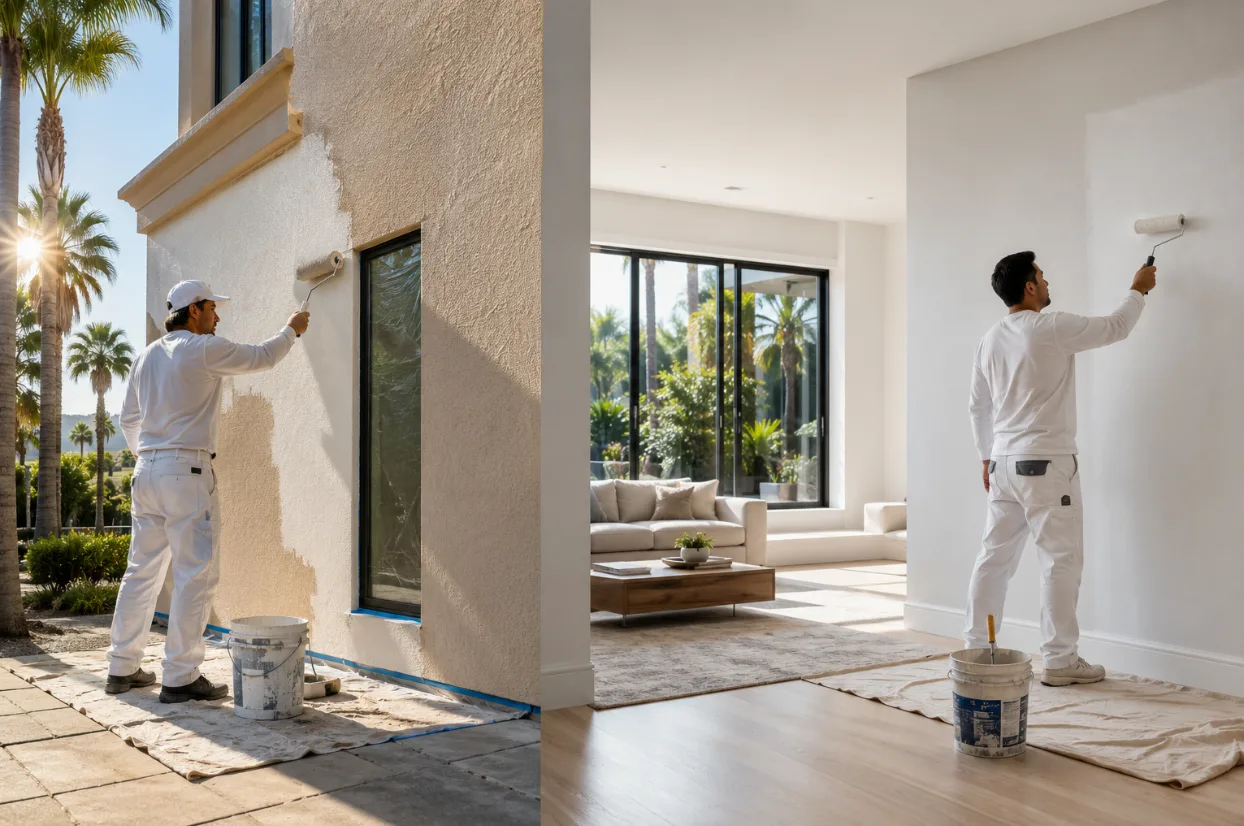
Cosmetic refresh. This covers paint, cabinet refacing or painting, new hardware, an updated backsplash, and fixture replacements. The layout stays entirely the same. No permits required in most cases. This level makes a real visual difference without the disruption of a full remodel.
Mid-range remodel. New cabinets, countertops, appliances, flooring, and lighting — all within the existing layout. This is where most LA kitchen remodels land. It requires permits for electrical and plumbing updates but avoids the added complexity of structural work. ROI at this level tends to be strong in the LA real estate market.
Full remodel with layout changes. Everything in the mid-range tier, plus plumbing relocation, potential wall removal, and reconfigured electrical. More permits, longer timeline, higher cost — but sometimes necessary to make the space actually function well.
Luxury or custom build. Designer-specified custom cabinetry, premium stone, professional-grade appliances, integrated smart home features, and specialty finishes throughout. Projects at this level are as much about personalization and craftsmanship as they are about function.
If you’re unsure which tier fits your goals, a consultation with an experienced kitchen remodeling contractor is the most practical way to find out. A good contractor will walk you through options at different scope levels before you commit to anything.
How Long Does a Kitchen Remodel Take in Los Angeles?
Timeline planning is just as important as budget planning — especially if you’re relying on your kitchen daily.
A cosmetic refresh can typically be completed in four to eight weeks. A mid-range remodel with permits generally runs three to five months from design finalization to completion. Projects involving structural work or layout changes add several more weeks, primarily due to permitting timelines and the coordination of additional trades.
Two things that consistently extend timelines in LA:
Permit processing. Standard LADBS permits take four to eight weeks. Some projects qualify for express review, but not all.
Material lead times. Custom and semi-custom cabinets typically require eight to fourteen weeks from order to delivery. High-end appliances can take longer. A good general contractor sequences this properly so material delays don’t push your move-back-in date.
Do You Need Permits for a Kitchen Remodel in Los Angeles?
Not for purely cosmetic work — paint, hardware, countertop replacement, and cabinet refacing generally don’t require permits. But most meaningful kitchen renovations do.
Electrical upgrades, plumbing changes, gas line work, ventilation systems, and any structural modifications all require permits through LADBS. Skipping permits creates real problems: stop-work orders during construction, complications with homeowner’s insurance, and issues at resale that are increasingly flagged by buyers’ agents in this market.
Beyond that, California’s Title 24 energy code touches kitchen renovations in ways that aren’t always obvious. Range hood requirements, lighting efficiency standards, and appliance efficiency ratings all apply — and a contractor who doesn’t know the local code well can leave you with a failed inspection.
Working with a licensed, experienced contractor who pulls permits properly isn’t just peace of mind. It protects your investment.
What Makes a Kitchen Remodel Worth the Investment in LA?
The Los Angeles real estate market is one of the few in the country where a well-executed kitchen renovation consistently returns strong value at resale. Buyers here have high expectations — they’ve seen beautifully finished kitchens, and a dated or poorly functioning kitchen reads as a liability in a competitive market.
But ROI isn’t just financial. Day-to-day quality of life in your home is real. A kitchen that flows better, has adequate storage, and feels good to cook in — that matters every single morning.
The projects that return the best value, both in daily use and at resale, tend to be mid-range remodels that bring a kitchen up to neighborhood standards without over-improving relative to the home’s overall value. A full custom build in a home that doesn’t support that level rarely pencils out the same way.
How to Get an Accurate Estimate in Los Angeles
The only way to know what your specific kitchen remodel will cost is to get a proper assessment of your space, your goals, and your current conditions.
A few things that matter when evaluating contractor bids:
Itemized scope. A professional bid breaks down labor, materials, permits, and allowances separately — not a single lump sum. You need to know what you’re paying for and where flexibility exists.
Permit responsibility. Confirm in writing who pulls the permits and whose license they’re pulled under. Permits should always be in the contractor’s name, not the homeowner’s.
Payment tied to milestones. A structured payment schedule tied to completed stages of work protects both parties. Large upfront payments before work begins are a warning sign.
License verification. Check any contractor’s license at the California State License Board (CSLB) website before signing anything. Green Star Remodeling is fully licensed, bonded, and insured — and has maintained a top 1% BuildZoom score based on verified project history across LA.
Ready to Talk Through Your Kitchen Project?
Every kitchen is different. The best way to understand what your remodel will realistically involve — in scope, timeline, and investment — is to have a conversation with someone who knows the LA market well.
Green Star Remodeling has been serving Los Angeles homeowners with honest assessments, transparent planning, and craftsmanship that holds up. Whether you’re thinking about a straightforward kitchen update or exploring a full home remodeling project that includes the kitchen as part of a larger scope, we’re happy to walk through the options with you.
We work with homeowners across the greater Los Angeles area — including Tarzana, Calabasas, Northridge, Woodland Hills, Encino, Sherman Oaks, and throughout the San Fernando Valley. If you’re local to any of these communities, we likely know your neighborhood’s housing stock, permit office, and what comparable remodels in your area look like.
Contact Green Star Remodeling today to schedule your free consultation. No pressure, no guesswork — just a clear picture of what your project involves and what it will take to get it done right.
📞 (661) 735-1878 | 19013 Ventura Blvd, Los Angeles, CA 91356