Home remodeling feels overwhelming at first. Most homeowners don’t know where to begin. This guide gives you a clear, step-by-step process from planning to execution.
Are you a homeowner planning your first remodel?
What Is Home Remodeling?
Home remodeling means changing the structure, layout, or function of a space. It goes beyond basic upkeep. You are altering what a room is or how it works.
Remodeling vs. renovation vs. repair — what’s the difference?
A repair fixes something broken. A leaky faucet. A cracked tile. A renovation restores something to its original condition. Think refinishing old hardwood floors. A remodel changes the space entirely. Moving walls. Converting a garage. Adding a bathroom.
What counts as a home remodeling project?
Common projects include kitchen remodels, bathroom additions, basement conversions, and room expansions. Smaller projects include replacing flooring, updating fixtures, or opening up a floor plan. The scale varies. The process stays the same.
Where to Start When Remodeling Your Home
Start with an honest assessment of your home
Walk through every room. Note what is damaged, outdated, or not functioning. Look at the roof, plumbing, electrical panel, and foundation. Fix structural issues before cosmetic ones. A fresh kitchen means nothing if the roof leaks.
Set clear goals before you spend a dollar
Ask yourself: Am I remodeling to live more comfortably? To increase resale value? Or both? Your goal determines your budget and your priorities. A resale-focused remodel targets kitchens, bathrooms, and curb appeal. A livability-focused remodel targets space, storage, and function.
Decide early: DIY, contractor, or hybrid?
DIY saves money but costs time. Contractors cost more but deliver faster, code-compliant results. A hybrid approach works for most homeowners. You handle painting and demo. A pro handles electrical, plumbing, and structural work. Know your skill level and be honest about your limits.
How to Plan a Home Remodel, Step by Step
Step 1: Define Scope and Priorities
Write down exactly what you want to change. Be specific. “Update the kitchen” is too vague. “Replace cabinets, countertops, and install a kitchen island” is a scope. A clear scope prevents budget creep. It also helps contractors give accurate quotes.
Rank your priorities. Not everything can happen at once. Decide what is essential and what is optional. Tackle the must-haves first.
Step 2: Set a Realistic Budget
Get three quotes from contractors before setting your final number. Add a 15–20% contingency buffer. Unexpected costs are normal especially in older homes. Hidden water damage, outdated wiring, and mold are common discoveries once walls open up.
Break your budget into categories: labor, materials, permits, and contingency. Track every expense. Use a simple spreadsheet. Do not rely on memory.
Step 3: Research Permits and Local Regulations
Most structural, electrical, and plumbing work requires a permit. Contact your local building department before starting. Unpermitted work can delay a home sale and create legal issues. It can also fail inspections years later.
Your contractor should handle permit applications. If you are DIYing, apply yourself. Permit fees vary by location and project scope. Budget for them upfront.
Step 4: Create a Project Timeline
A timeline prevents chaos. Break the project into phases: demo, rough-in work (electrical, plumbing, HVAC), insulation, drywall, finishes, and fixtures. Each phase must complete before the next begins. Inspections happen between phases in permitted work.
Set realistic milestones. Contractor availability, material lead times, and inspections all affect timelines. Add buffer weeks for delays. They will happen.
Step 5: Source Materials and Contractors
Order materials early. Supply chains cause delays. Tile, cabinets, and appliances often have 4–12 week lead times. Confirm delivery dates before scheduling labor.
Vet contractors before you hire. Get references. Check licenses. Review past work. Do not choose based on price alone. The cheapest bid almost always leads to the most expensive problems.
Ready to move from planning to action? Green Star Remodeling handles everything from full home remodels to kitchens, bathrooms, ADUs, and roofing. 20+ years of experience. CA License #1088206. Schedule Your Free Estimate or call 800-610-4153.
Do It Yourself Home Remodeling: What Can You Handle?
What projects are DIY-friendly?
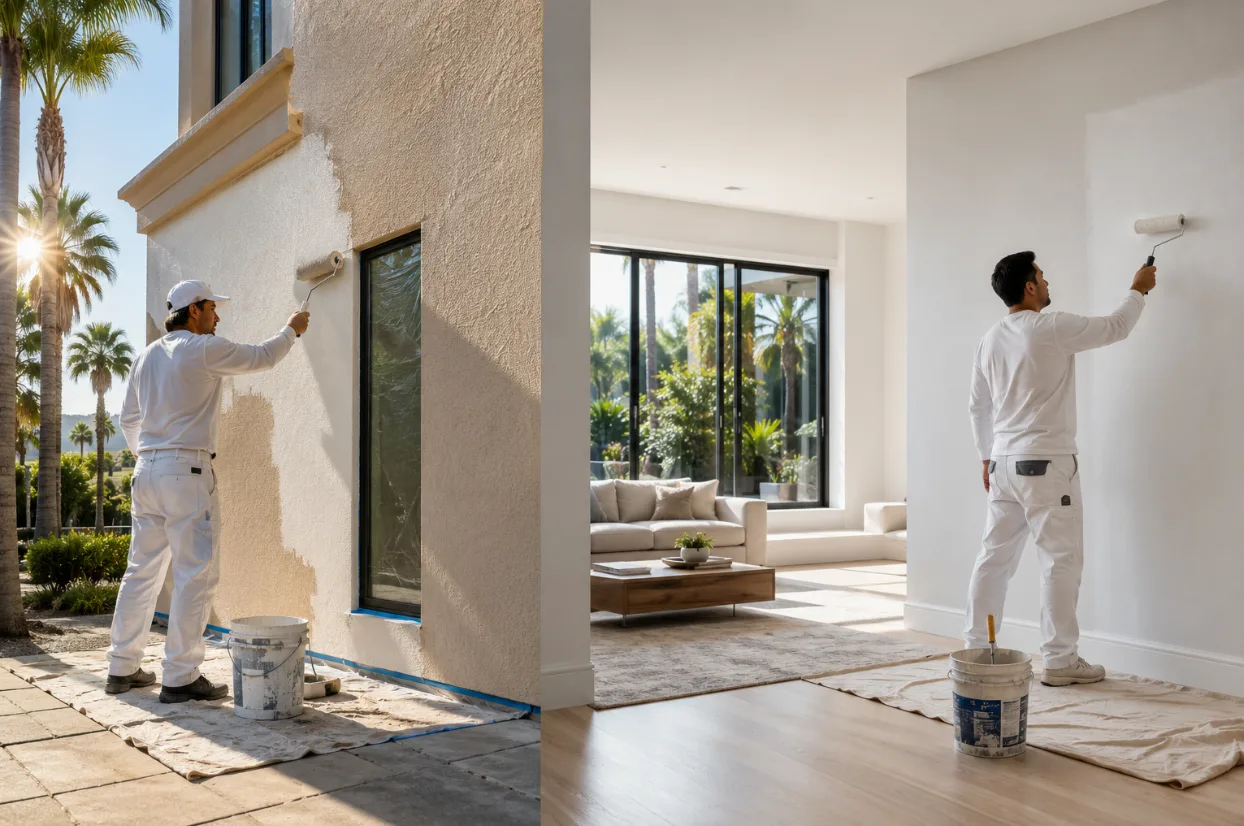
Painting walls and ceilings is the most accessible DIY task. Installing laminate or vinyl plank flooring is manageable with basic tools. Replacing light fixtures, outlets, and switch covers is doable if you shut off the breaker. Tiling a backsplash, building shelving, and demo work are also realistic for most homeowners.
What always requires a licensed professional?
Electrical panel upgrades require a licensed electrician. Moving or adding plumbing lines requires a plumber. Structural changes removing load-bearing walls, adding beams require an engineer and a contractor. HVAC work requires certification. Do not attempt these tasks yourself. The risk is too high.
DIY home remodeling ideas by room
- Kitchen: Paint cabinets, replace hardware, install a peel-and-stick backsplash, swap out the faucet.
- Bathroom: Re-caulk the tub, replace the vanity mirror, install a new light fixture, add open shelving.
- Living room: Install crown molding, paint an accent wall, replace baseboards, add recessed lighting (hire an electrician for the wiring).
Tools every DIY remodeler needs
Circular saw, cordless drill, level, tape measure, stud finder, utility knife, and a shop vacuum. Start with quality basics. Add specialized tools as projects grow.
How to Remodel an Old Home
Old homes have unique structural challenges
Homes built before 1980 may have knob-and-tube wiring and galvanized plumbing. Both need replacement before remodeling. Older foundations may not support added weight. Hire a structural engineer to assess before making changes.
Safety risks: lead and asbestos
Homes built before 1978 may contain lead paint. Homes built before 1986 may contain asbestos in insulation, floor tiles, and drywall. Do not disturb these materials without testing first. Hire a certified inspector. Remediation is not a DIY task.
How to remodel an old home on a budget
Prioritize safety systems first roof, electrical, plumbing. These protect your investment. Delay cosmetic upgrades until structural issues are resolved. Shop salvage yards and architectural reclaim stores for period-appropriate materials at lower costs. Refinish instead of replace wherever possible.
How to Find and Choose a Home Remodeling Contractor
Where do you find qualified contractors?
Ask people you trust for recommendations, such as neighbors, friends, or family who have recently completed similar projects. You can also use reputable online platforms and professional directories to find qualified contractors.
What to look for: licensing, insurance, and reviews
Verify that the contractor holds a current state license. Confirm they carry general liability insurance and workers’ compensation. Ask for the certificate of insurance directly. Check Google, Yelp, and the Better Business Bureau for reviews. Look for patterns not just a single bad review.
How to compare bids without choosing the cheapest
Get at least three bids for any project over $5,000. Compare scope, materials, timeline, and payment terms not just the final number. A low bid often means cut corners or missing scope. Ask each contractor to explain what is included and excluded. That conversation reveals a lot.
Working with a trusted remodeling team
At Green Star Remodeling, we believe in transparency, clear communication, and quality craftsmanship from start to finish. We are fully licensed, bonded, and insured, and we proudly serve homeowners across Los Angeles and Santa Clarita. Our approach is simple no pressure, no gimmicks, just honest estimates and reliable service backed by strong customer reviews on Google and Yelp.
If you’re planning a remodeling project, you can request a free in-home estimate or speak directly with our team to understand your options before making any commitment.
FAQs About Home Remodeling
Where do you start when remodeling a home?
Start with a full assessment of your home’s condition. Identify structural and safety issues first. Then set your goals, define your scope, and build a realistic budget. Planning before spending is the most important step.
What is the correct order to remodel a house?
Follow this sequence: demolition first, then rough-in work (electrical, plumbing, HVAC), followed by inspections, insulation, and drywall. After drywall, move to flooring, cabinetry, and fixtures. Finish with painting, trim, and final details. Skipping steps causes expensive rework.
How do you remodel a home on a budget?
Prioritize function over aesthetics. Reface cabinets instead of replacing them. Keep plumbing in its original location moving it adds significant cost. Buy materials during sales or from outlet stores. Do demo work yourself. Hire professionals only for licensed trade work.
Planning a home remodel takes time. But a clear plan saves money, prevents delays, and produces better results. Follow the steps. Stick to your scope. And always verify before you sign.
Green Star Remodeling — Los Angeles & Santa Clarita Full Home Remodeling · Kitchen & Bathroom · ADU · Roofing · Landscaping & Pools CA License #1088206 · Licensed, Bonded & Insured · 20+ Years of Experience 📞 800-610-4153 · Get Your Free Estimate Within 24 Hours →